







DESIGNER'S EDIT
Need help?
Velvet Fabrics FAQs
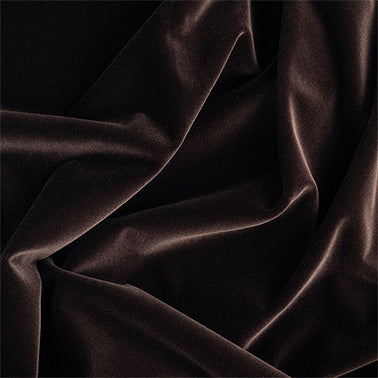
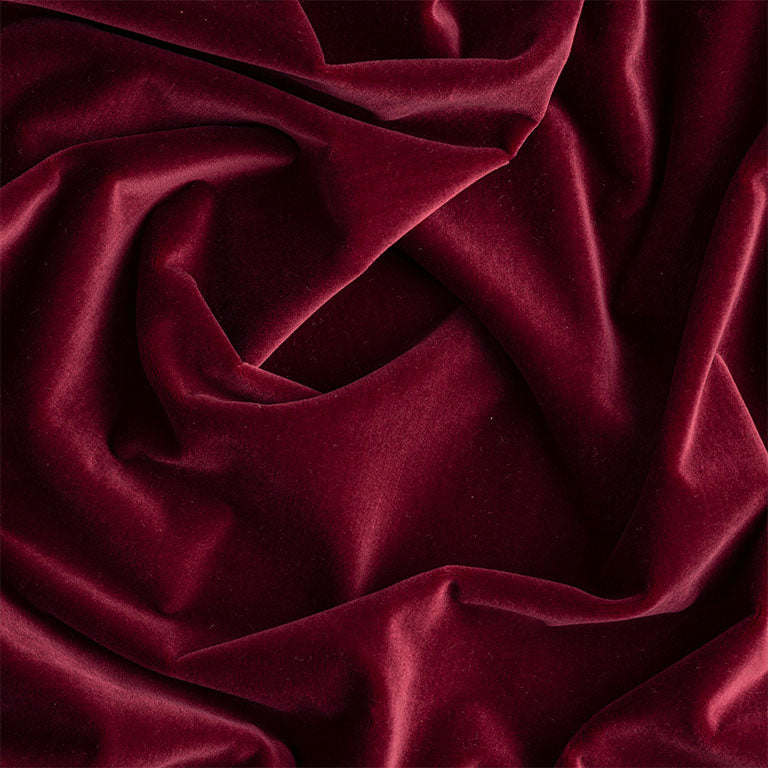
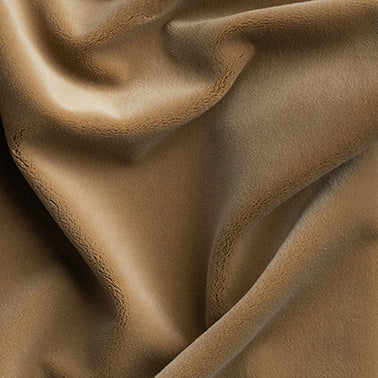
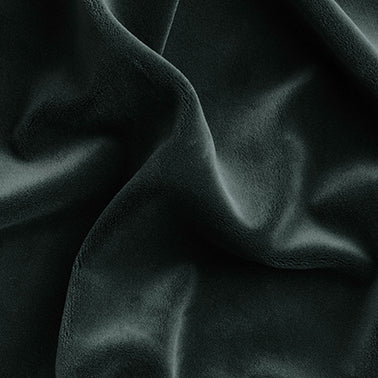
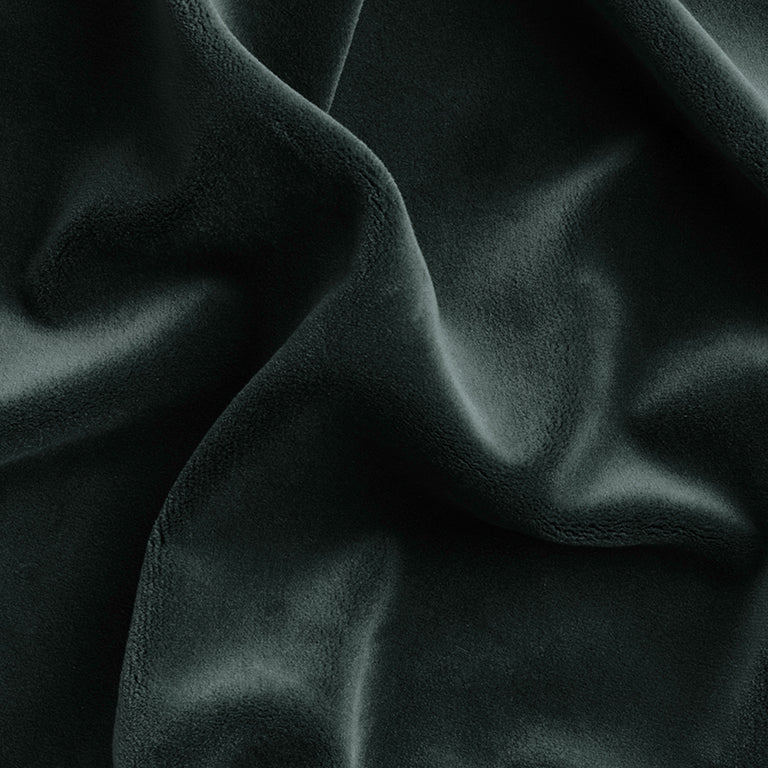
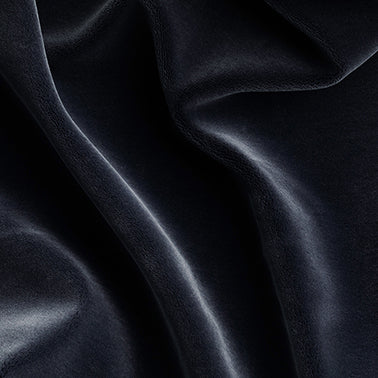
Velvet can be woven from a variety of fibres. At de Le Cuona, we favour natural fibres such as cotton, linen and cashmere to create velvets with exceptional depth, softness and character. Velvet’s distinctive plush pile is produced using specialist weaving techniques.
One method is the double cloth technique, where two layers of fabric are woven simultaneously and connected by pile yarns. These connecting yarns are cut during weaving to create two separate lengths of cut-pile velvet. Another technique uses fine wires inserted into the loom, over which the pile yarns are woven before being cut to form the velvet surface.
Yes. Velvet is a woven fabric produced on specialist looms that create its distinctive pile structure. This construction gives velvet its characteristic depth, softness and luxurious appearance.
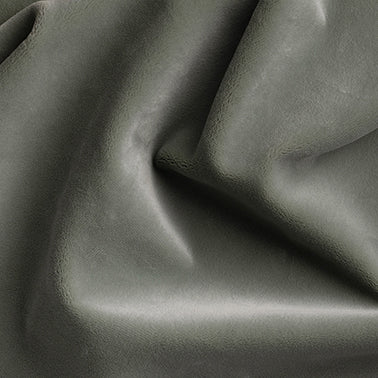
Velvet fabrics offer a unique combination of softness, depth and durability. Their rich texture and subtle lustre bring warmth and elegance to interiors, while their woven construction provides strength and longevity, making them suitable for a variety of decorative and practical applications.
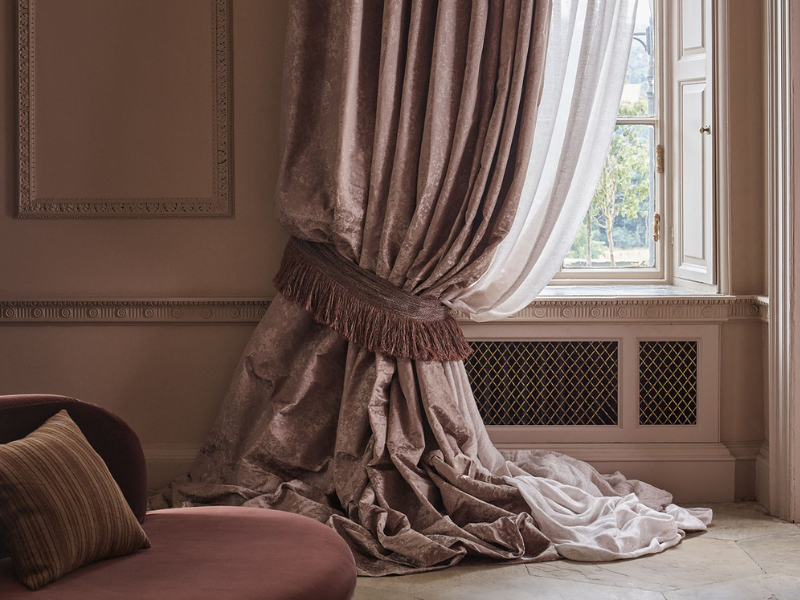
Yes. Natural-fibre velvets combine a luxurious handle with excellent durability, making them well suited to upholstery. They also drape beautifully, making them an elegant choice for curtains and other interior applications.
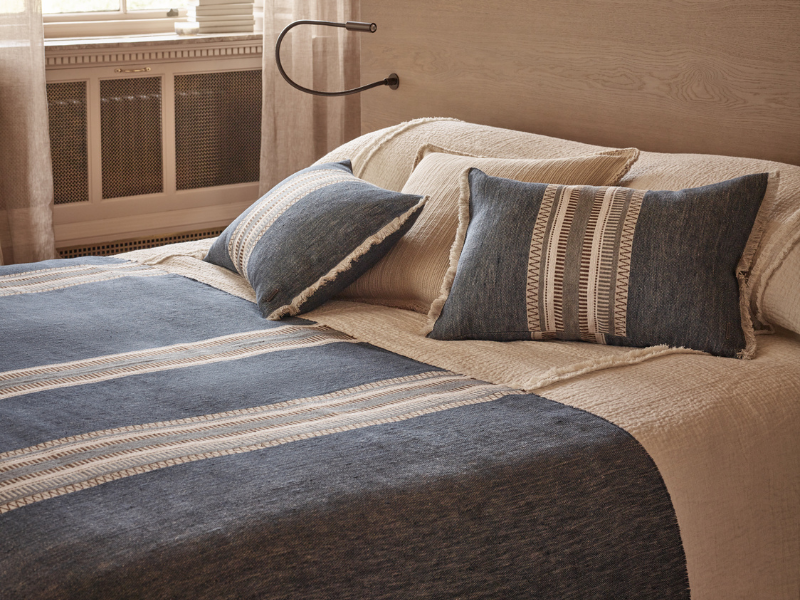
Velvet pairs beautifully with natural fabrics such as linen, wool and silk. Combining velvet’s soft lustre with textured or matte materials creates balance, contrast and visual depth within an interior scheme.
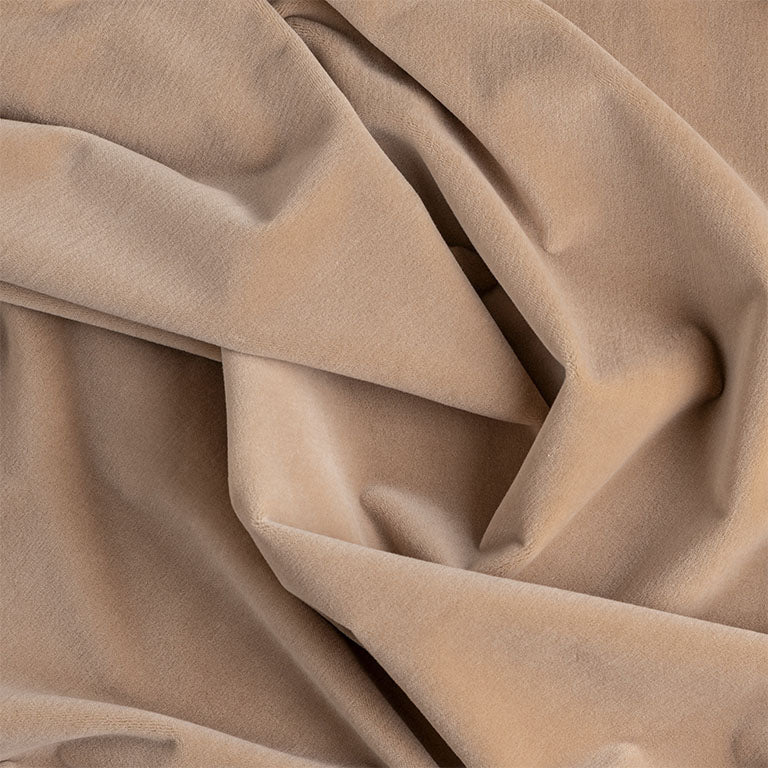
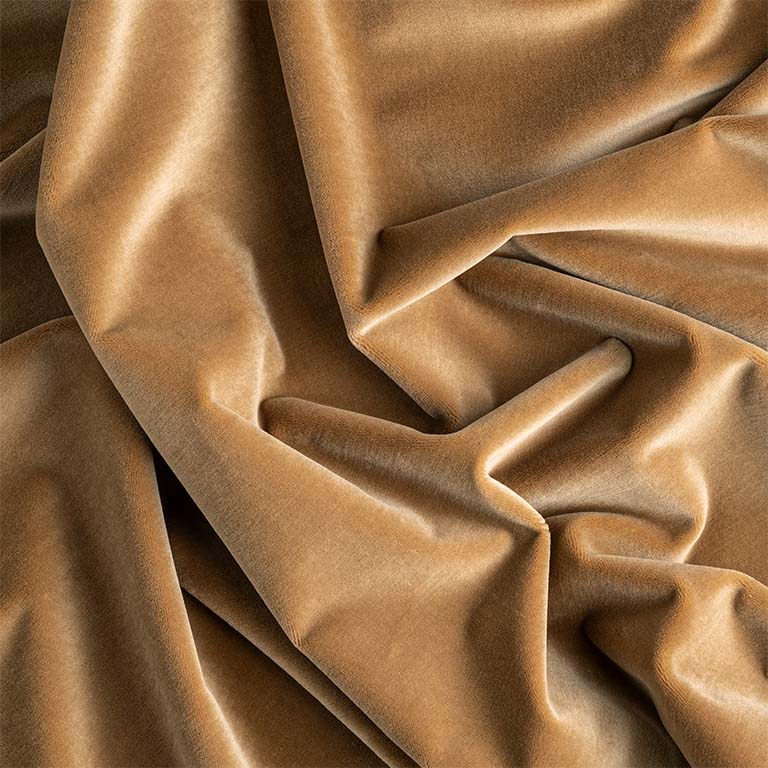
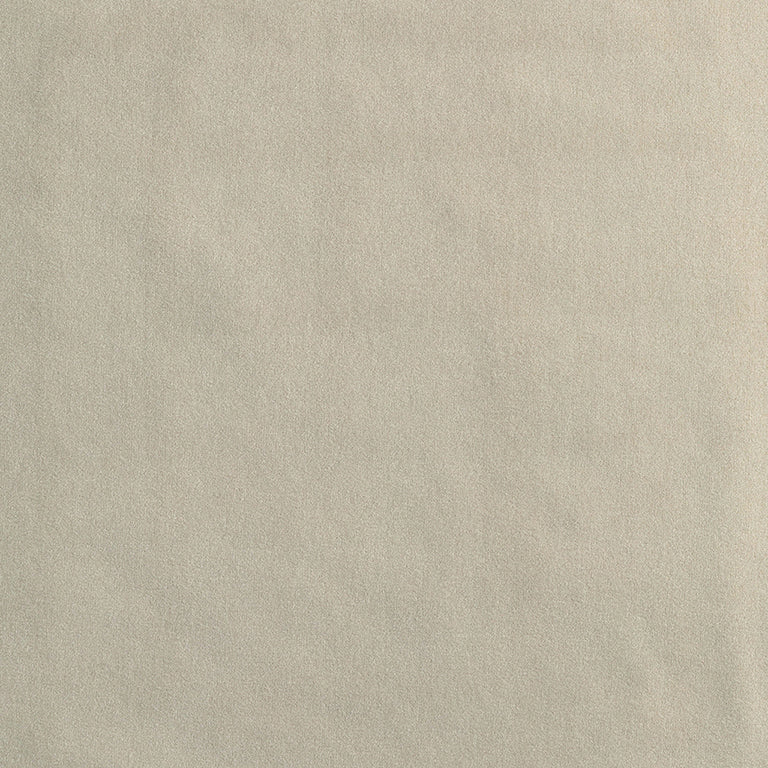
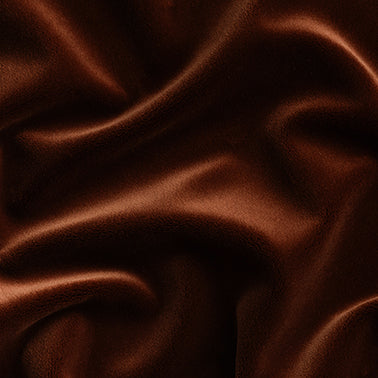
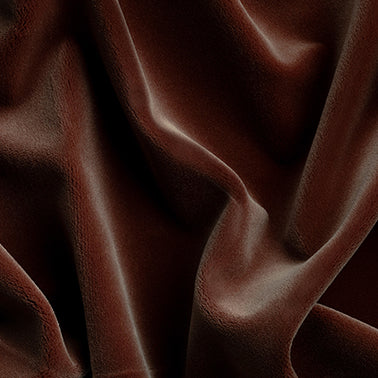
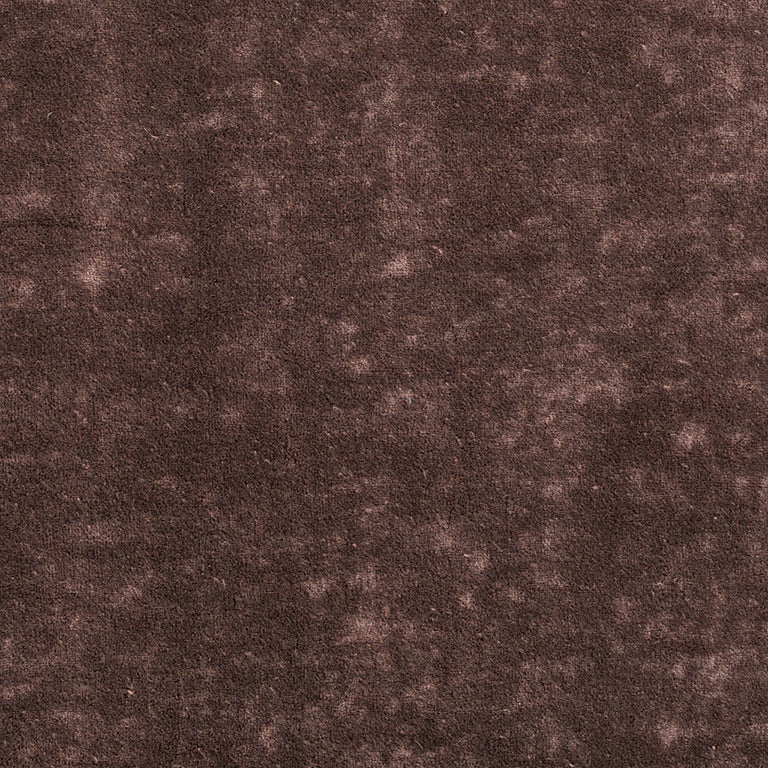
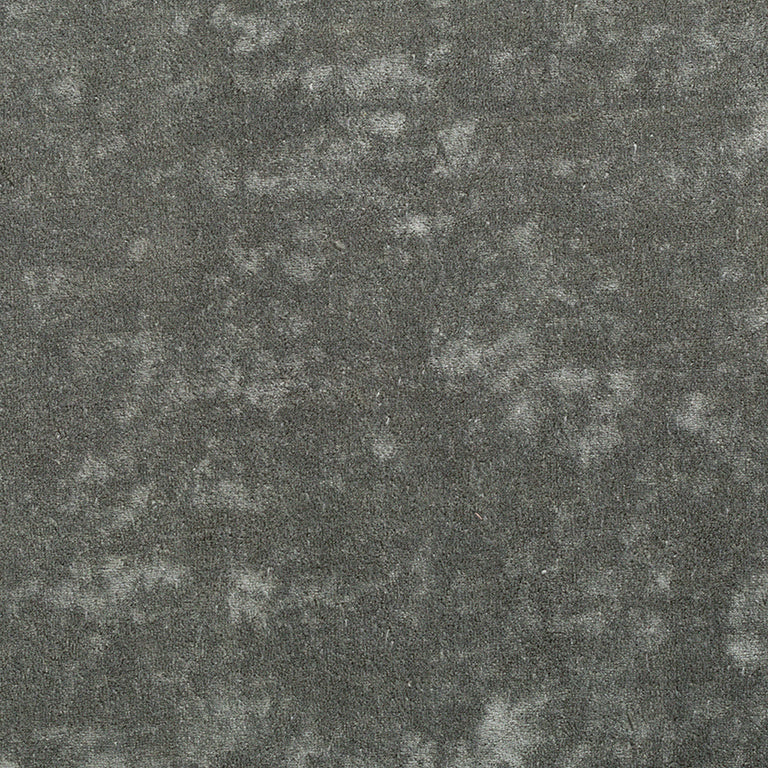
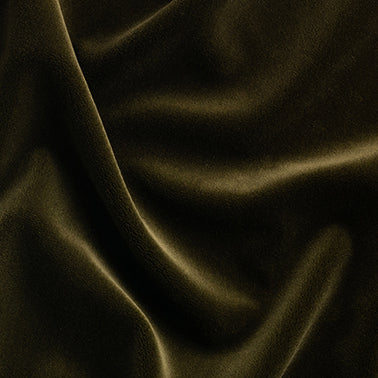
Velvet can show shading or pressure marks because the pile moves when touched or brushed. This changes the way light reflects across the surface, creating natural variations in tone that are a characteristic feature of velvet and contribute to its unique appearance.
For velvet curtains, the pile is often directed upwards to create a richer depth of colour and a more luxurious appearance. For upholstery, the pile is commonly directed downwards, running from the back towards the front of the furniture. This can help reduce the visibility of pressure marks and allows the pile to recover more naturally through regular use. The preferred direction may vary depending on the desired aesthetic and application.
The environmental characteristics of velvet depend on the fibres used and the manufacturing process. Velvet woven from natural fibres such as cotton, linen or wool is often valued for its durability and longevity. When selecting velvet, it is important to consider fibre composition, sourcing and intended use. Product-specific information can be found on individual product pages where available.
Our velvet fabrics are available by the metre, providing flexibility for a wide range of interior projects. Samples can also be ordered to experience the texture, colour and quality in your own space before making a selection.