









DESIGNER'S EDIT

Need help?
Cashmere & Alpaca Fabrics FAQs
Cashmere fabric is a luxury textile made from the fine undercoat of cashmere goats. The fibres are carefully collected during the natural moulting season, then cleaned, spun into yarn and woven into fabric. The result is a lightweight, insulating and exceptionally soft textile prized for its comfort and refined appearance.
Cashmere comes from goats raised in regions with cold climates, including Mongolia, China and parts of Central Asia. These environmental conditions help produce the fine insulating fibres for which cashmere is renowned. During the natural moulting season, the soft undercoat is carefully collected before being processed into yarn and fabric.
Alpaca fabric is made from the fleece of alpacas. The fibres are shorn, cleaned and spun into yarn before being woven into fabric. Alpaca is valued for its strength, natural insulating properties and soft, smooth handle, making it a distinctive and luxurious textile for interiors.
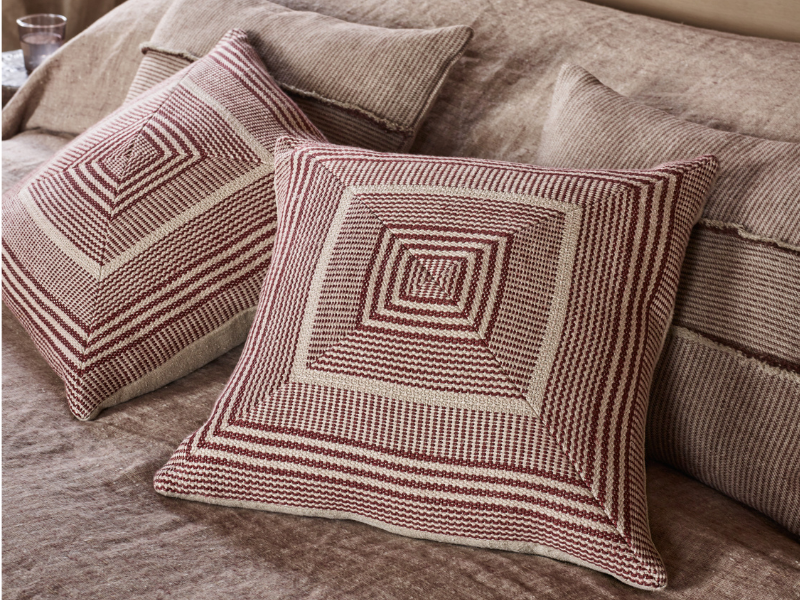
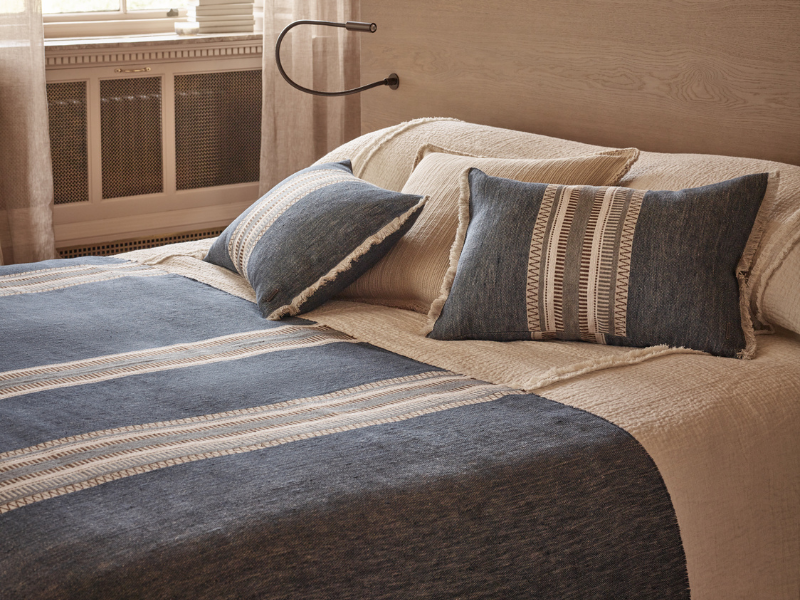
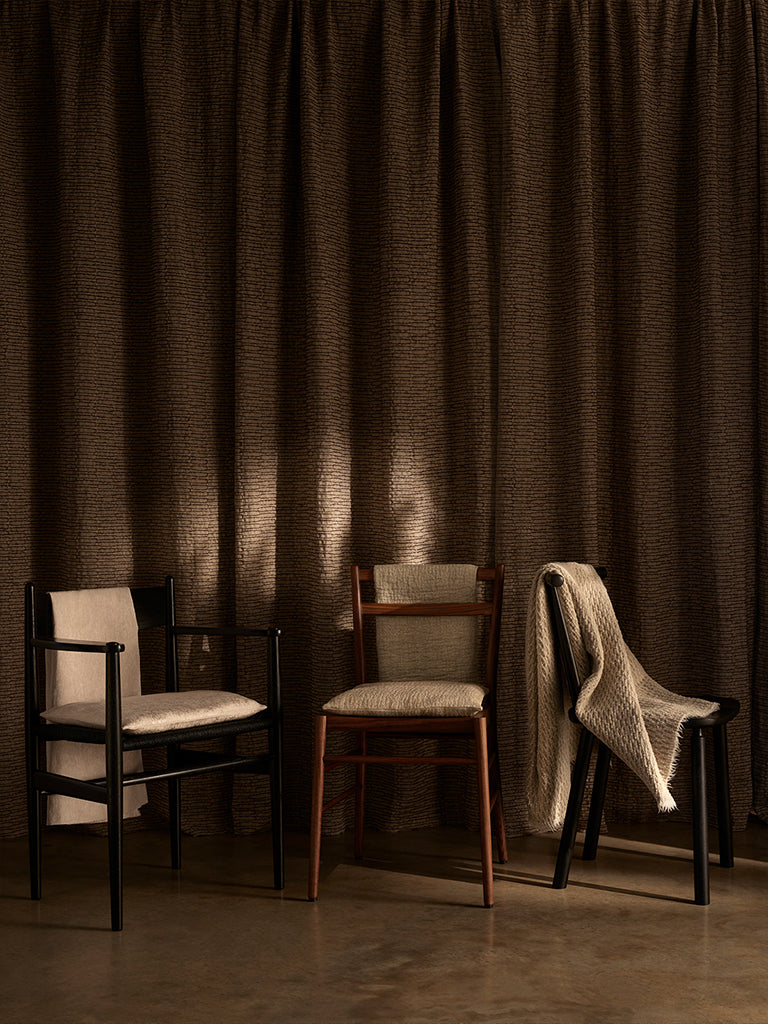
Both cashmere and alpaca offer warmth, breathability and a refined tactile quality. Their soft handle, natural texture and durability make them well suited to upholstery, curtaining, cushions and other decorative interior applications where comfort and sophistication are desired.
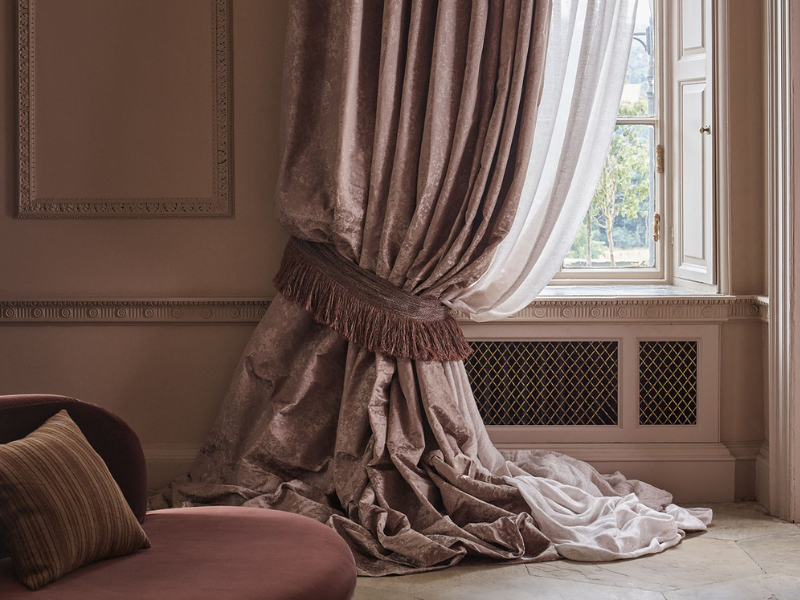
Yes. Both fibres can be used for curtaining and upholstery, depending on the fabric construction and intended application. Their softness and drape make them particularly appealing for curtains, while their durability allows them to perform well in decorative and lighter-use upholstery applications.
Cashmere and alpaca fibres are exceptionally fine, allowing them to be spun into smooth, lightweight yarns. This creates fabrics with a luxurious handle, natural softness and exceptional comfort.
Cashmere is renowned for its exceptional softness, warmth and lightness. It has a smooth, gentle handle and a subtle loft that contributes to its luxurious feel and enduring appeal.
Cashmere and alpaca are natural animal fibres valued for their durability, longevity and distinctive performance characteristics. Environmental considerations can vary depending on fibre sourcing, animal welfare practices and manufacturing.